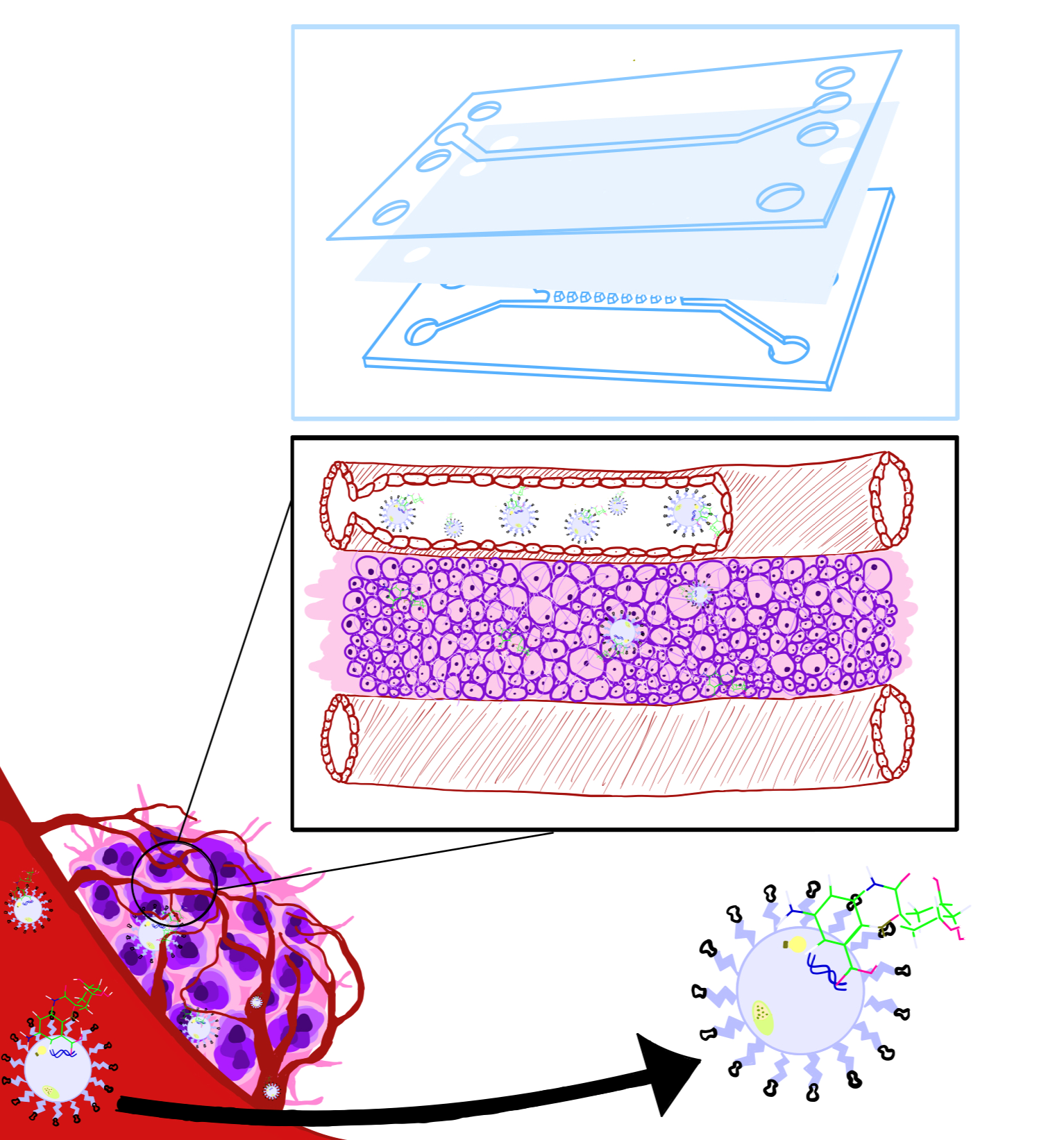
Microfluidics and Microphysiological Systems Modeling sophisticated in vitro physiological responses under accurate conditions is an emerging technological field to engineer microchips containing living cells that reconstitute organ-level-functions for drug screening, diagnostics, toxicology and therapeutic purposes. Our group is working at the interdisciplinary edge -utilizing engineered tools to reveal secrets of complicated living systems through deep down analysis On-Chip. To grip such multifaceted analysis, sophisticated tools like sensors have been merged further, revealing every possible investigation/exploration of the 3D world, at smallest scale. Moreover, via incorporating nanomedicine practices with tailored drug delivery vehicles, our goal is to make high throughput-drug screening an everyday technique, to bring possible cures of life threatening diseases; in particular cancer. With our expertise, the real challenges we wish to overcome is to model biomimicked-3D systems at micro scale– creating actual tumor and tissue microenvironments in the fluidic chips, and integrating smart sensors to overcome sensitive detection limits while playing with the drug conjugates at minute concentrations.
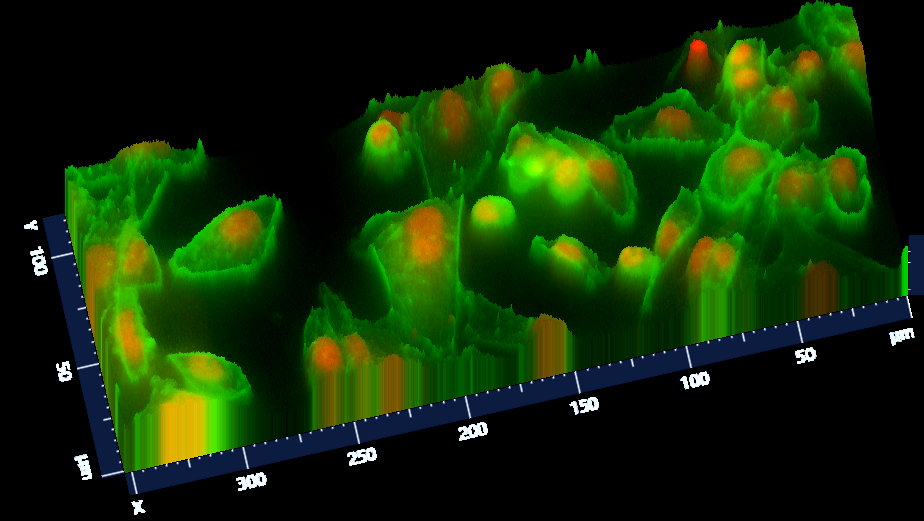
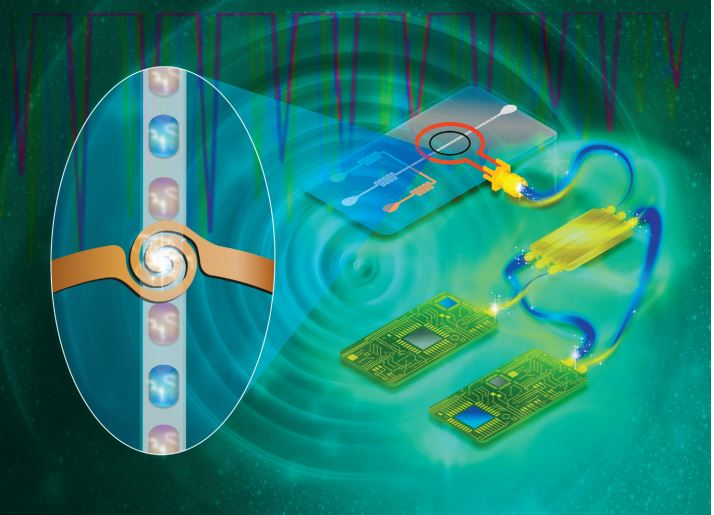
Microwave Sensors/Heaters and Droplet-Microfluidics Systems Interest in droplet-based microfluidics has grown because of their promise to facilitate a broad range of scientific research and biological/chemical processes such as cell analysis, DNA hybridization, drug screening and diagnostics. Major advantages of droplet-based microfluidics versus traditional bioassays include its capability to provide highly monodispersed, well-isolated environment for reactions with magnitude higher throughput (i.e. kHz) than traditional high throughput systems, as well as its low reagent consumption and elimination of cross contamination. Major functions required for deploying droplet microfluidics include droplet generation, merging, sorting, splitting, trapping, sensing, heating and storing, among which sensing and heating of individual droplets remain great challenges and demand for new technology. In the light of these demands, our research line focuses on developing novel microwave technologies that is integrated with droplet-based microfluidic platforms to address these challenges.
Nanoparticle Synthesis Nanoparticles (NPs); the tiny warriors, have evolved as a breakthrough in the scientific world, with vast applications in many fields e.g. imaging, biosensors, bio-medical engineering and drug delivery etc. Specifically, these particles and composites at nano-level (i.e. ideally 1-100nm) serves as “critical elements” in merging the field of nanotechnology with curing threating diseases, in-particular cancer, with the idea of ‘Targeted Smart NPs’ synthesis. Using this strategy, the drug delivery efficiency has been improved multifold, with decreased toxicity of drugs to normal cells when treating metastatic tumors. One of the key interest in current days has switched to finding the techniques where designing and synthesizing these NPs is much more efficient, easier and reproducible compared to conventional methods. This is where the Microfluidics has started playing its role as a powerful tool for the synthesis of NPs/Nanocomposites in no time. These fluidics platforms not just provide exceptional control over the composition and size of NPs, but also a great switch over the regulation of temperature, speed, bulk transportation, as well as the optimization and screening of the synthesis conditions in situ. With utilization of advanced techniques like Microfluidics, a possibility of attaining particles of monodispersed size, controllable structures, and hybrid materials has been an easy target to achieve. Here in the Yesiloz Lab, we have tremendous facilitation to experiment the applications of these synthesized Nanoconjugates/Nanoparticles with drug combinations in a variety of ways. Currently, we are aiming to progress for ‘Highthroughput drug screening’ of ‘novel combinations’ in 3D cell culture systems, using these microfluidics platforms. 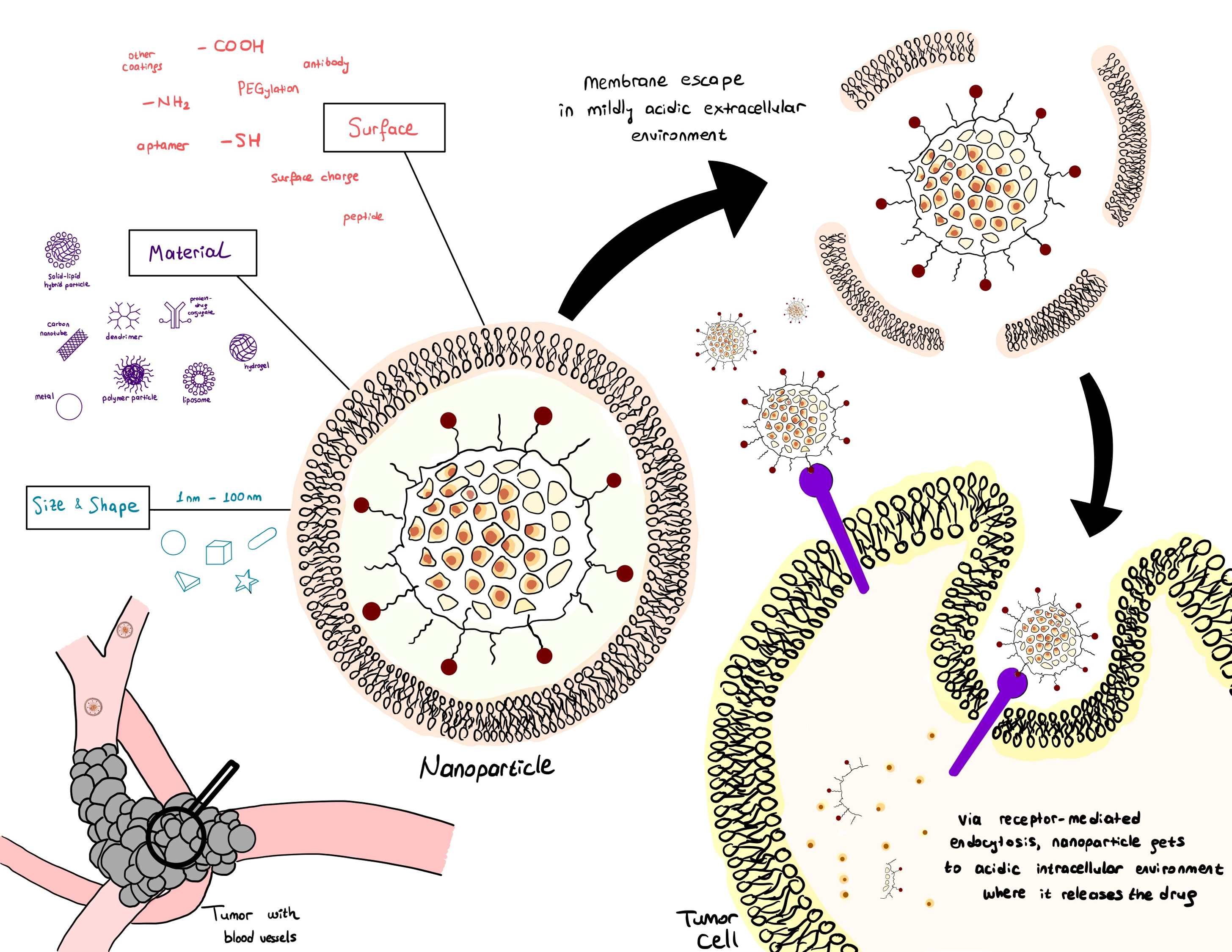
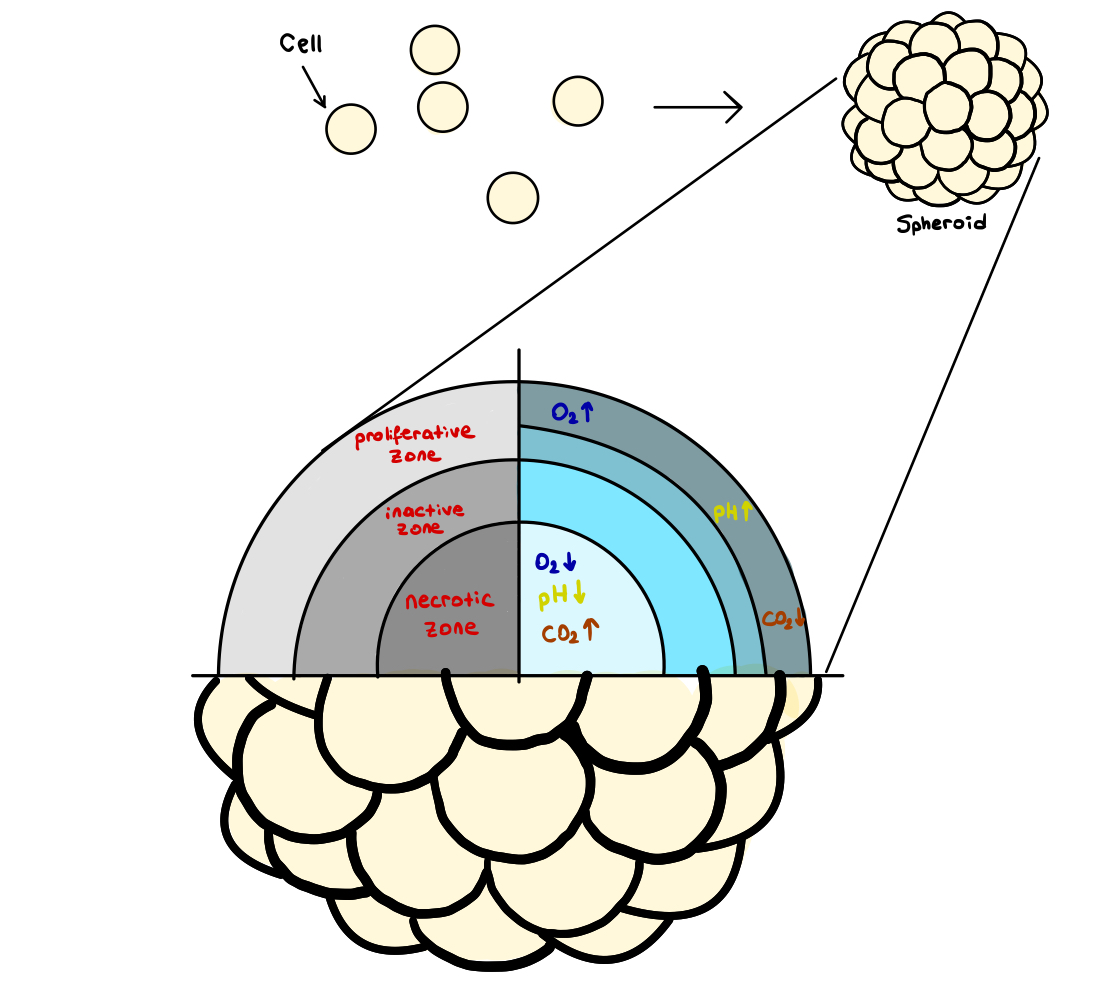
In Vitro 3D Micro-Tissues and Spheroids Organ-on-a-chip is a cm-size microfluidic platform that’s designed to recapitulate a specific function of a tissue. Controlling the types of cells and the placements we want them in, and utilizing the preciseness microfluidics provides, we can model diseases, study biological functions, conduct high-throughput drug tests, and analyze the results with various microsensors. Compared to animal models, it’s much more transparent, reliable, ethical, and economical. It’s possible to use spheroids in those chips, instead of monolayer cells. Spheroids are clumps of cells that have strong intercellular communication, we make them by pushing the cells to this behavior. They can be composed of many cell types, and are a particular interest in cancer research —as co-culture spheroids of cancer cells and other cells in the tumor microenvironment would strongly mimic the in vivo. In our lab, we are designing organ-on-chips, and working on spheroids to both understand their biology better and utilize them to tackle unanswered questions about disease and health conditions.